
Tea 101 / Guide 01
What Is Chinese Tea?
Learn what Chinese tea is, how it is classified, and why tea in China is not only a drink but a cultural practice, craft, and way of awareness.
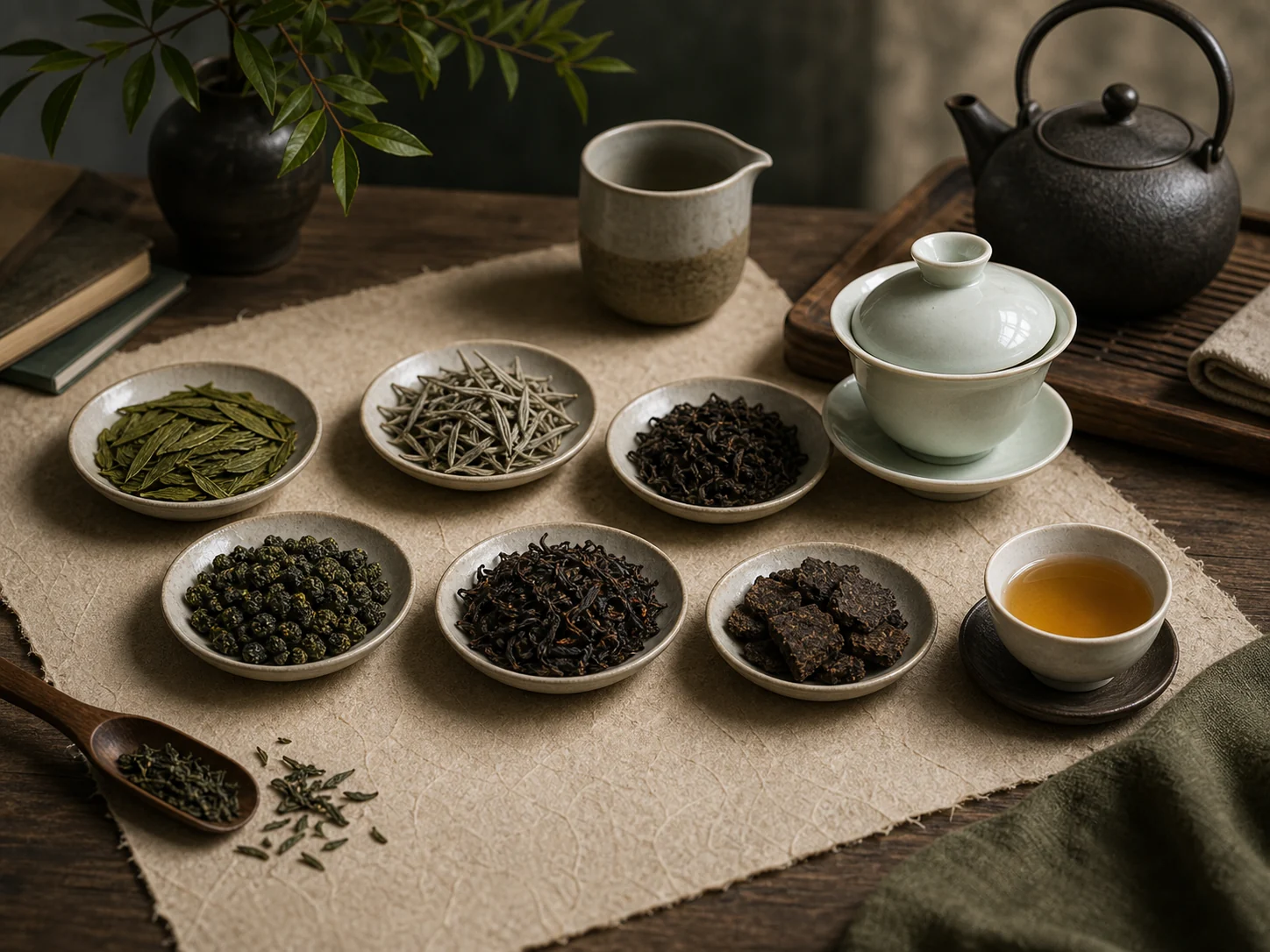
Main categories: green, white, yellow, oolong, black, dark and Pu'er.
Core dimensions: origin, processing, cultivar, season, brewing and teaware.
Cultural role: daily drink, hospitality, ritual, craft and self-cultivation.
PRIMTEA angle: tea is a medium for clarity, nature and awareness.
01Guide
Chinese tea is not one flavor or one product. It is a complete system of agriculture, processing, sensory language, utensils and ritual practice. A cup of Chinese tea carries the place where the leaf grew, the way it was processed, the vessel used to brew it and the attention of the person preparing it.
For global beginners, the easiest entry is the tea category system. Green tea preserves freshness through heat-fixing. White tea uses gentle withering and drying. Oolong tea sits between green and black tea, with partial oxidation and often roasting. Chinese black tea, called red tea in Chinese, is fully oxidized. Dark tea is post-fermented. Pu'er, from Yunnan, has its own raw and ripe systems.
Chinese tea is also a practice. In Gongfu Cha, small vessels, repeated infusions and focused attention reveal the changing character of a tea. This is why PRIMTEA treats tea not only as a beverage, but as a path back to natural clarity.
Place
Connect the topic to China's tea geography and the origin stories behind the leaf.
Open origin mapProduct
Move from knowledge to a tea or tea gift only after the category and use case are clear.
Browse teasSequence
Turn one guide into a newsletter lesson, social post, product FAQ and tasting note.
View pipelineTaste the Topic
Open the shop Related teas and gifts.
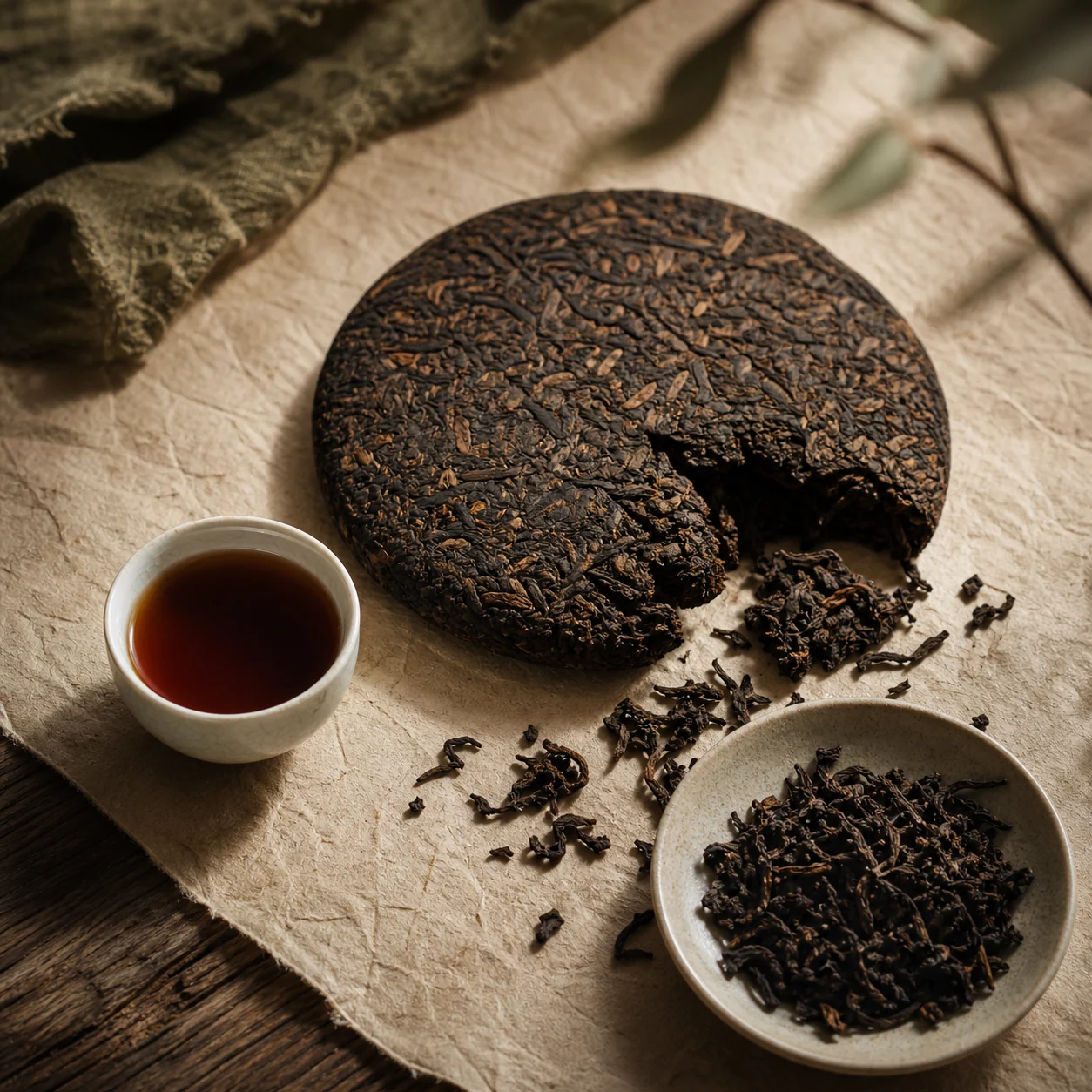
P0 | Raw Pu'er
Taizi Zhai Raw Pu'er Tea
A Yunnan raw Pu'er source tea for tasting mountain character, repeated infusions and the quiet depth of tea ritual.
357g cakepreorder
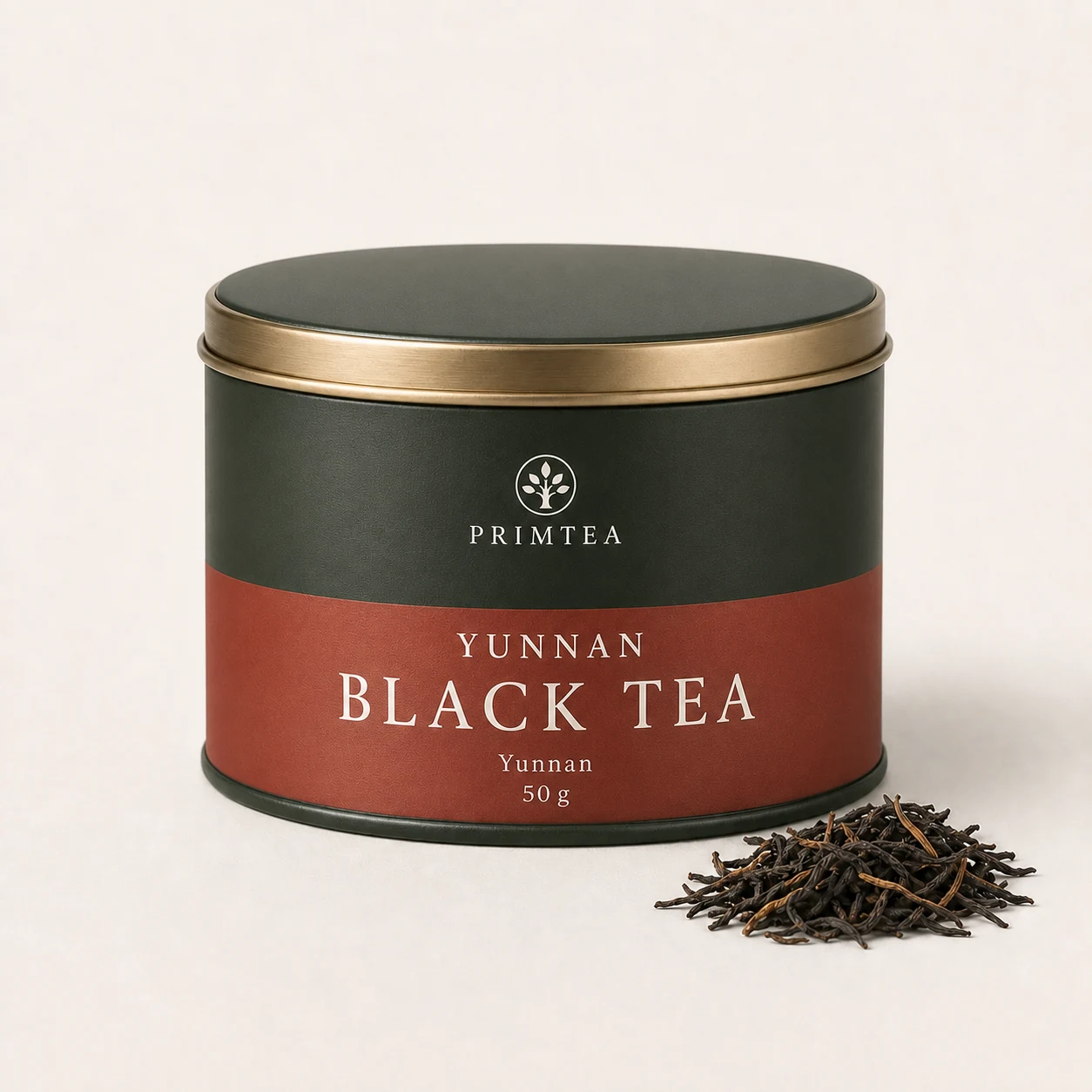
P0 | Chinese Black Tea
Yunnan Black Tea
A smooth Yunnan black tea with honey, malt, cocoa and golden bud character.
50g short tinbuy now
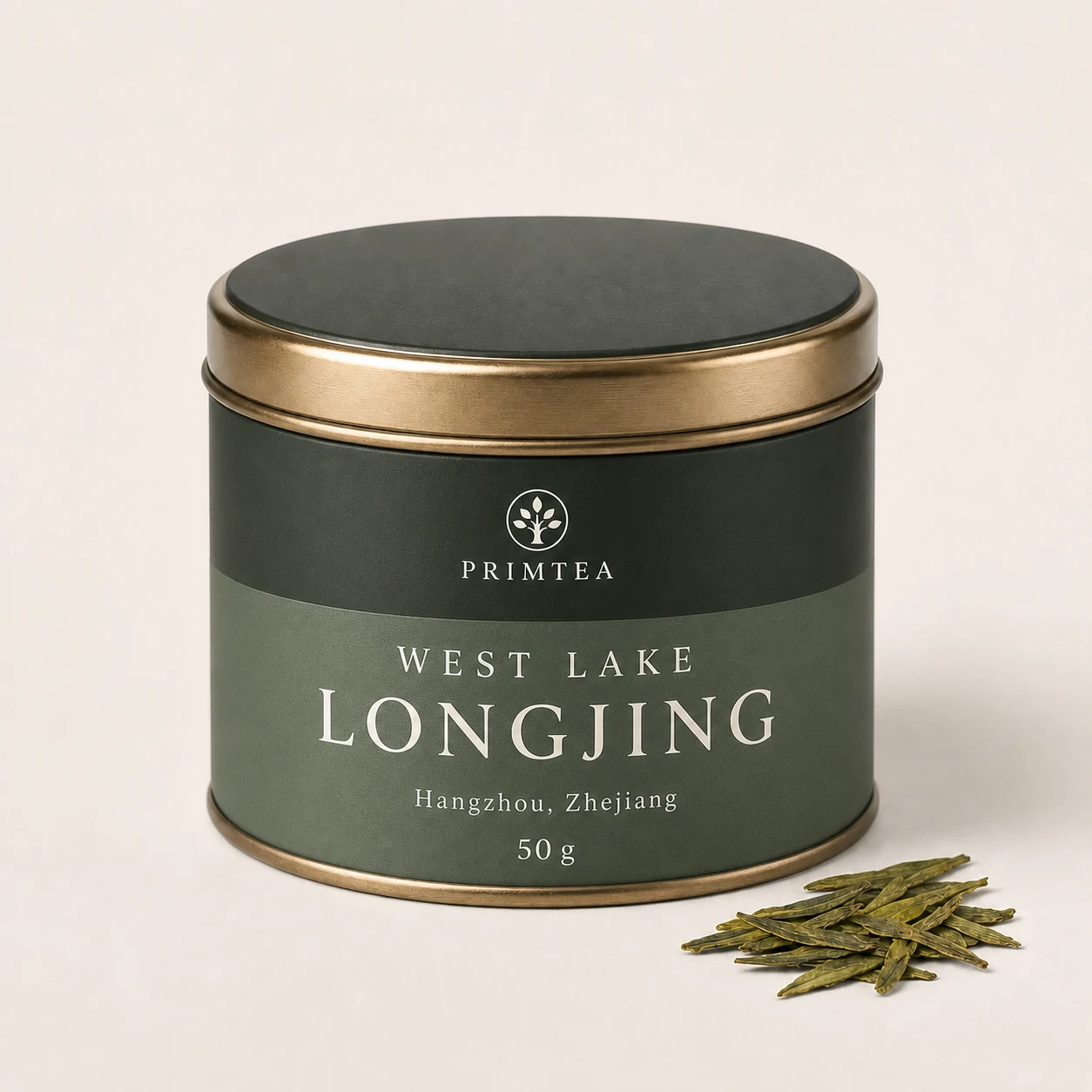
P1 | Green Tea
West Lake Longjing
China's iconic pan-fired green tea, known for flat leaves, spring freshness and chestnut aroma.
50g short tinpreorder
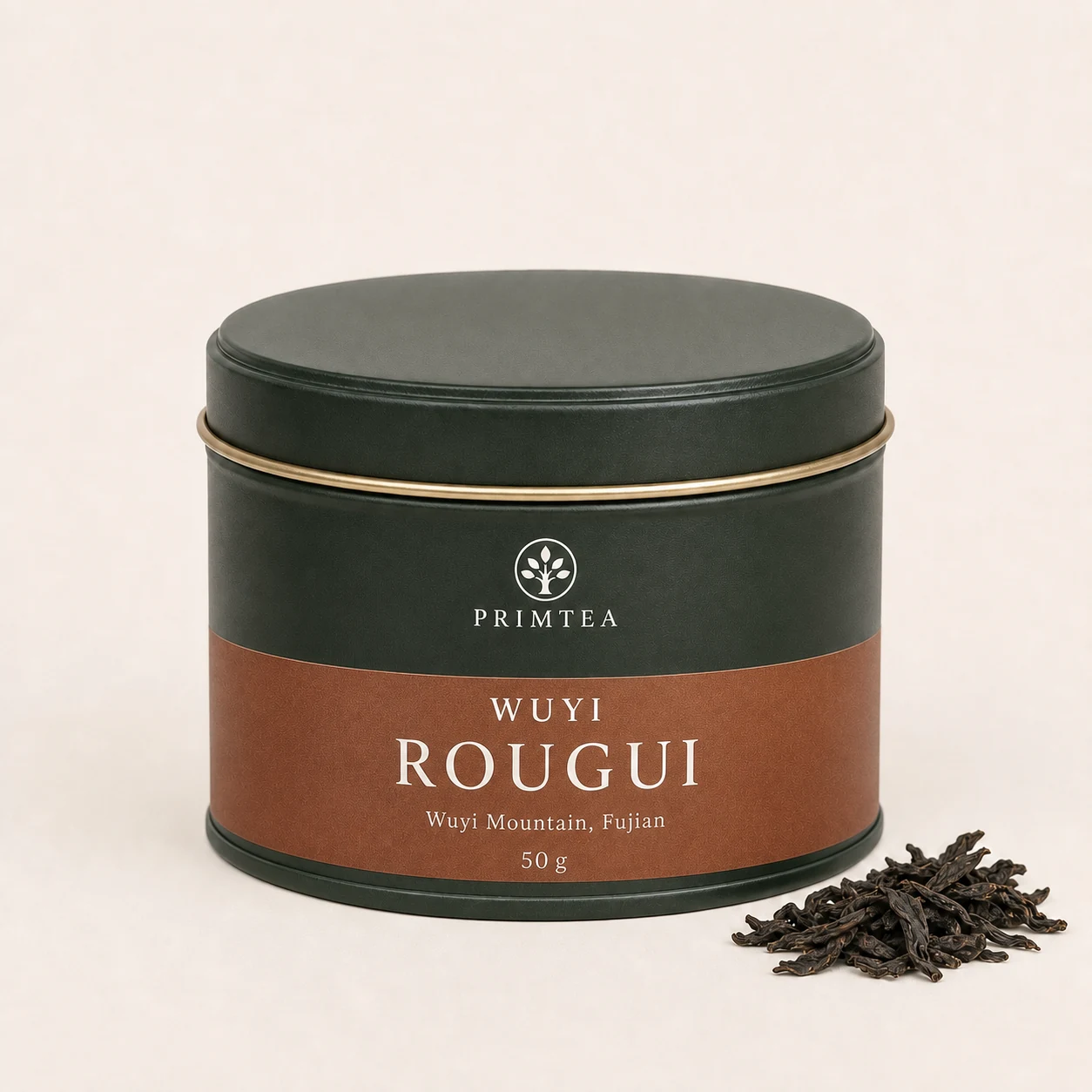
P1 | Oolong / Wuyi Rock Tea
Wuyi Rougui
A Wuyi rock tea for learning roast, mineral depth and the aromatic power of Rougui.
50g short tinbuy now