
Tea 101 / Guide 02
Six Types of Chinese Tea
Understand the six major Chinese tea types, how they differ by processing, and where Pu'er tea fits in the wider Chinese tea system.
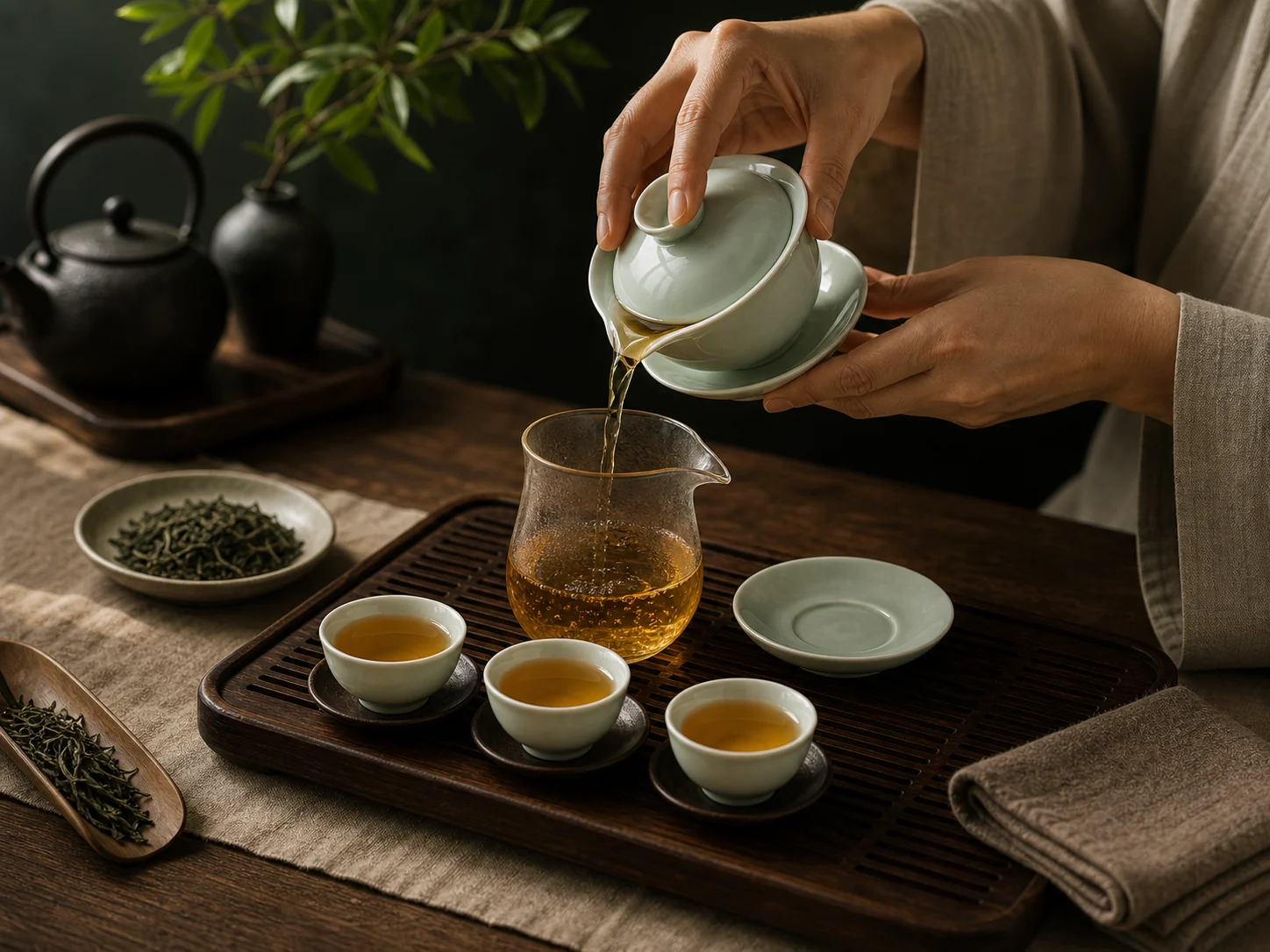
Green tea: non-oxidized, fresh, often pan-fired.
White tea: lightly processed, withered and dried.
Yellow tea: rare, mellow, shaped by yellowing.
Oolong tea: partially oxidized, often roasted.
Black tea: fully oxidized, called red tea in Chinese.
Dark tea: post-fermented, suitable for aging.
01Guide
Chinese tea categories are not marketing flavors. They come from processing. The same tea plant can become very different teas depending on how the leaf is handled after picking.
Green tea is fixed quickly to preserve fresh leaf character. White tea is treated more gently, with withering and drying. Yellow tea is rare and requires a yellowing step. Oolong tea is partially oxidized and can range from green and floral to deeply roasted. Black tea is fully oxidized and often has malt, honey, cocoa or fruit notes. Dark tea is shaped by microbial transformation and storage.
Pu'er deserves special attention because it is tied to Yunnan, large-leaf tea material, sun-dried maocha, compression, storage and aging. Raw Pu'er and ripe Pu'er offer two very different experiences.
Place
Connect the topic to China's tea geography and the origin stories behind the leaf.
Open origin mapProduct
Move from knowledge to a tea or tea gift only after the category and use case are clear.
Browse teasSequence
Turn one guide into a newsletter lesson, social post, product FAQ and tasting note.
View pipelineTaste the Topic
Open the shop Related teas and gifts.
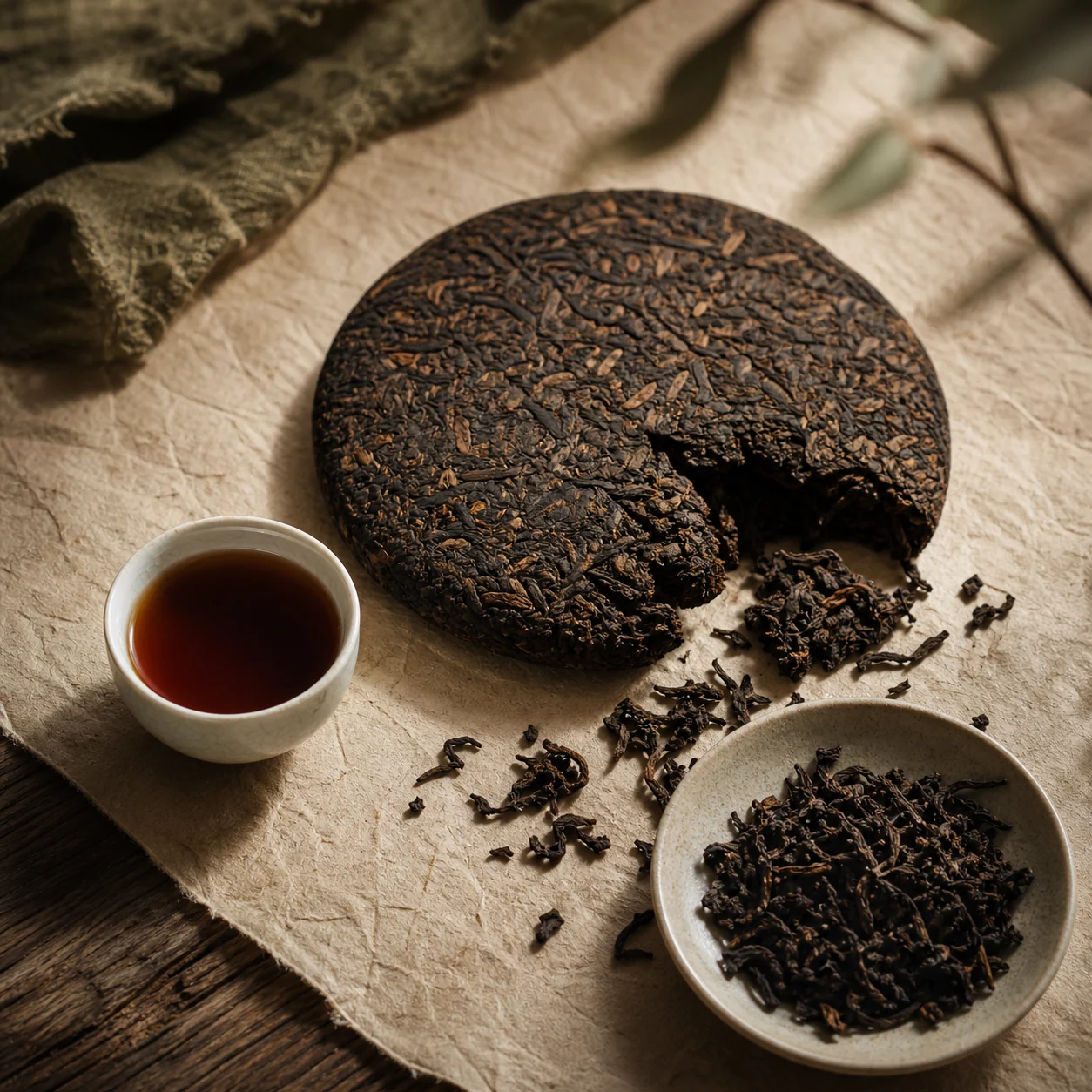
P0 | Raw Pu'er
Taizi Zhai Raw Pu'er Tea
A Yunnan raw Pu'er source tea for tasting mountain character, repeated infusions and the quiet depth of tea ritual.
357g cakepreorder
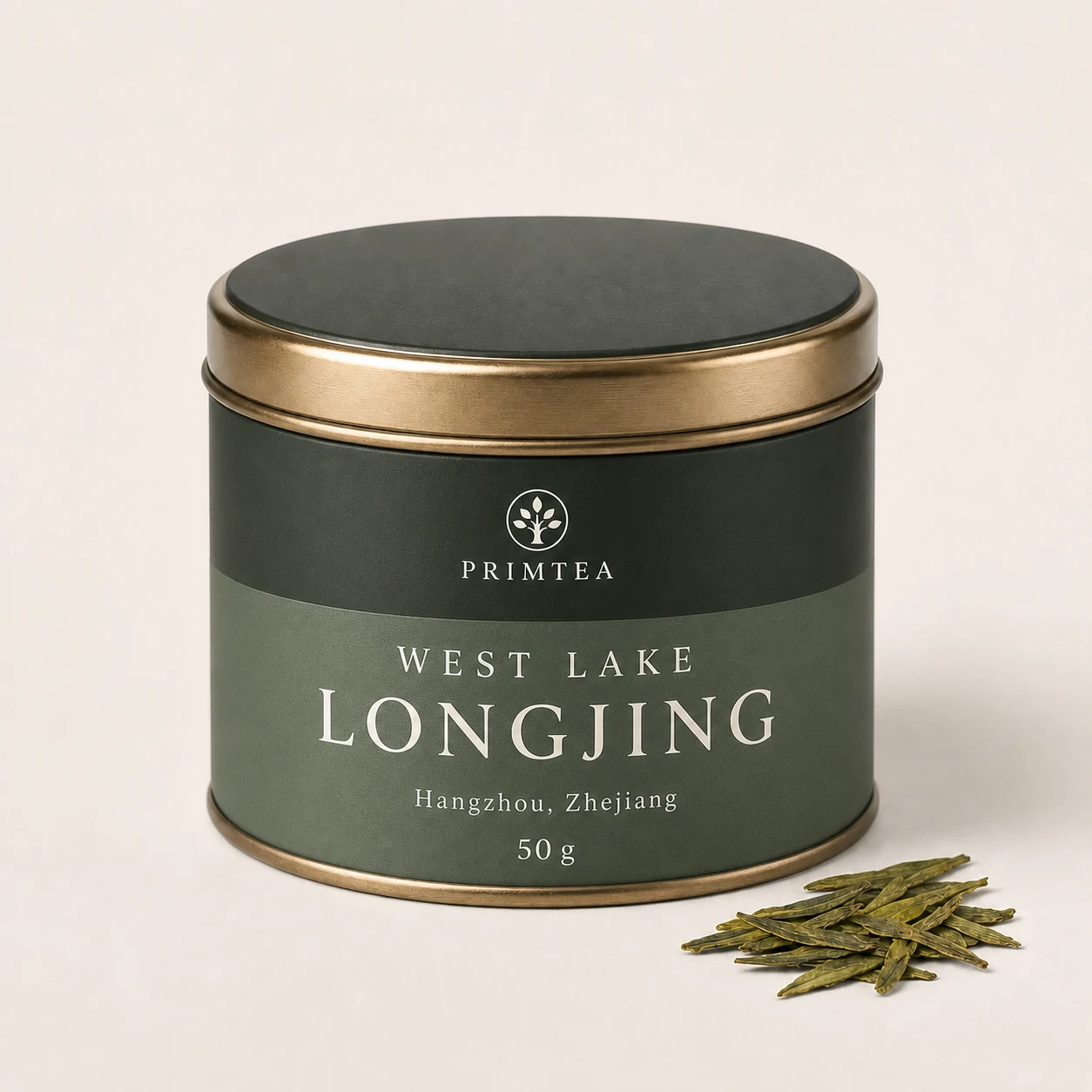
P1 | Green Tea
West Lake Longjing
China's iconic pan-fired green tea, known for flat leaves, spring freshness and chestnut aroma.
50g short tinpreorder
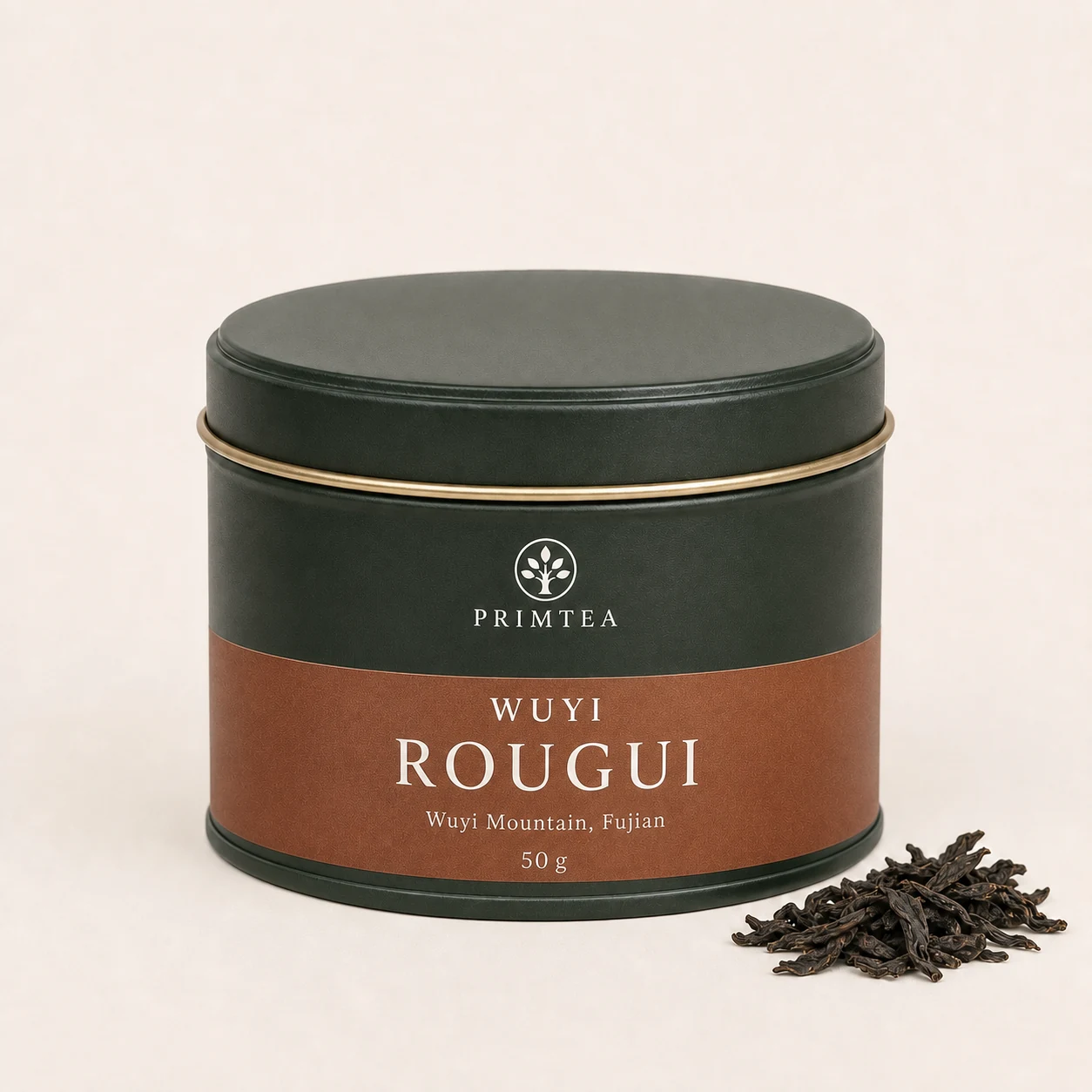
P1 | Oolong / Wuyi Rock Tea
Wuyi Rougui
A Wuyi rock tea for learning roast, mineral depth and the aromatic power of Rougui.
50g short tinbuy now
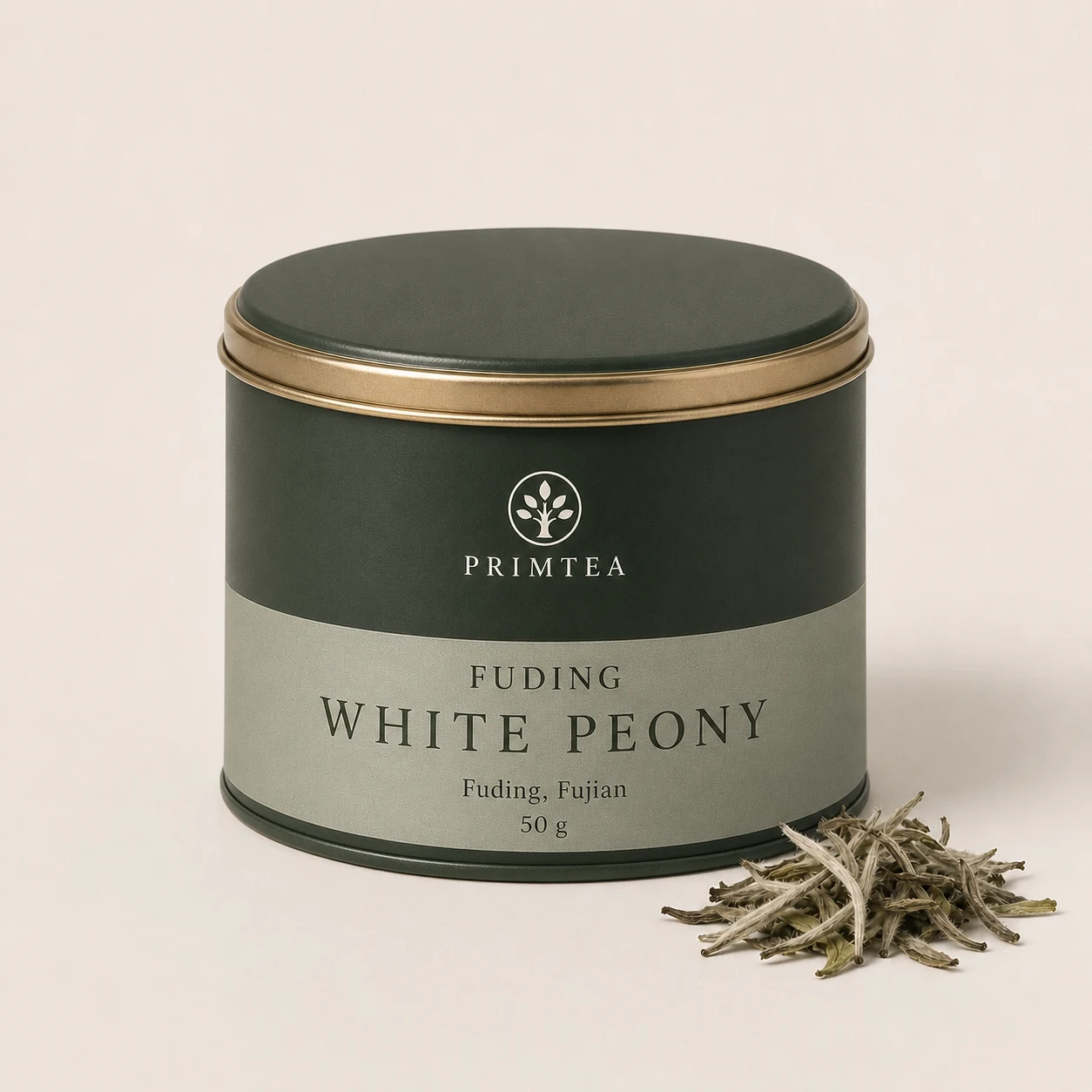
P1 | White Tea
Fuding White Peony
A soft and approachable Fuding white tea for calm daily drinking and white tea education.
50g short tinbuy now
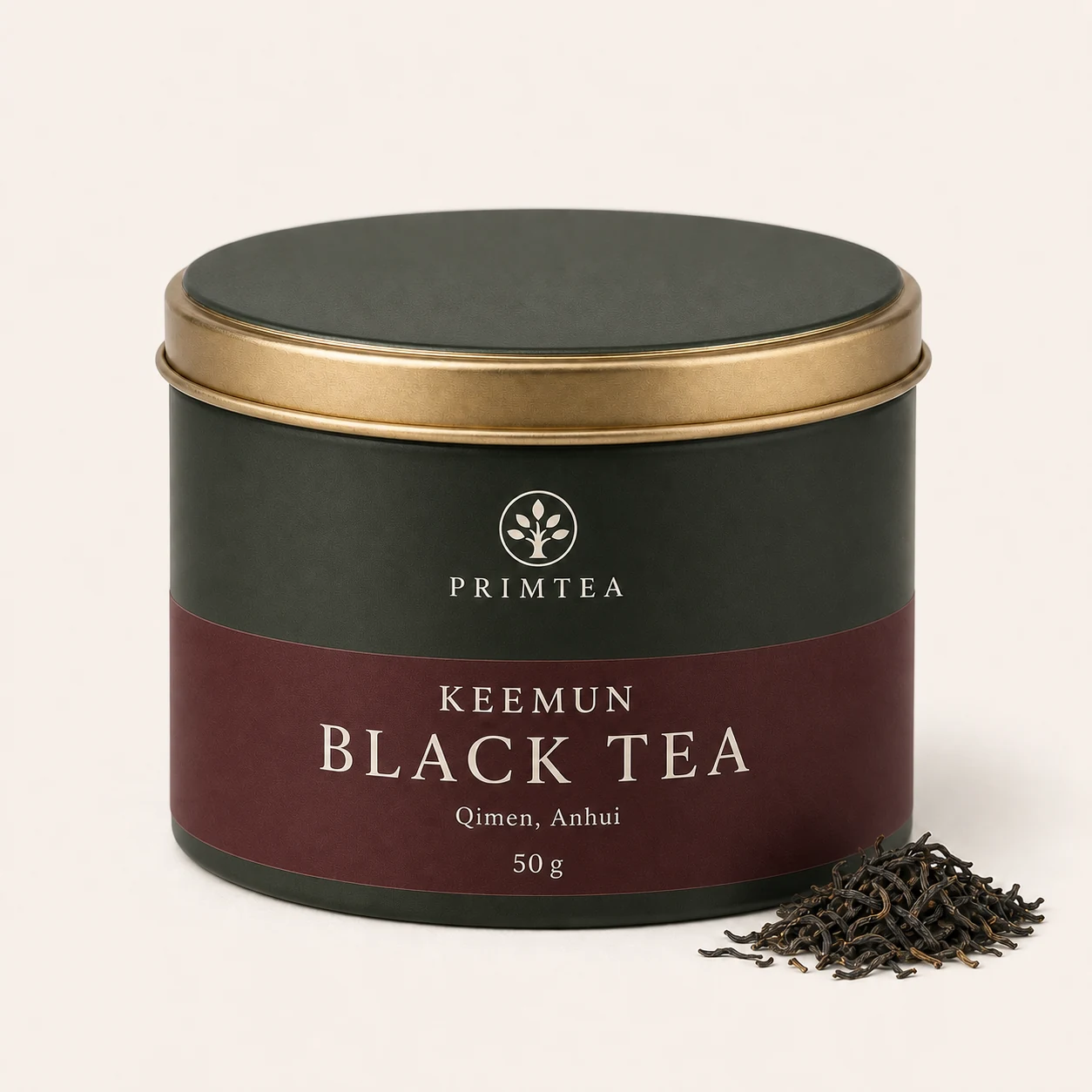
P1 | Chinese Black Tea
Keemun Black Tea
A refined Anhui black tea for drinkers who want a more elegant Chinese expression of black tea.
50g short tinbuy now
P1 | Dark Tea
Liu Bao Tea
A Guangxi dark tea for discovering post-fermented Chinese tea beyond Pu'er.
100g basketpreorder