Why oolong varies so much
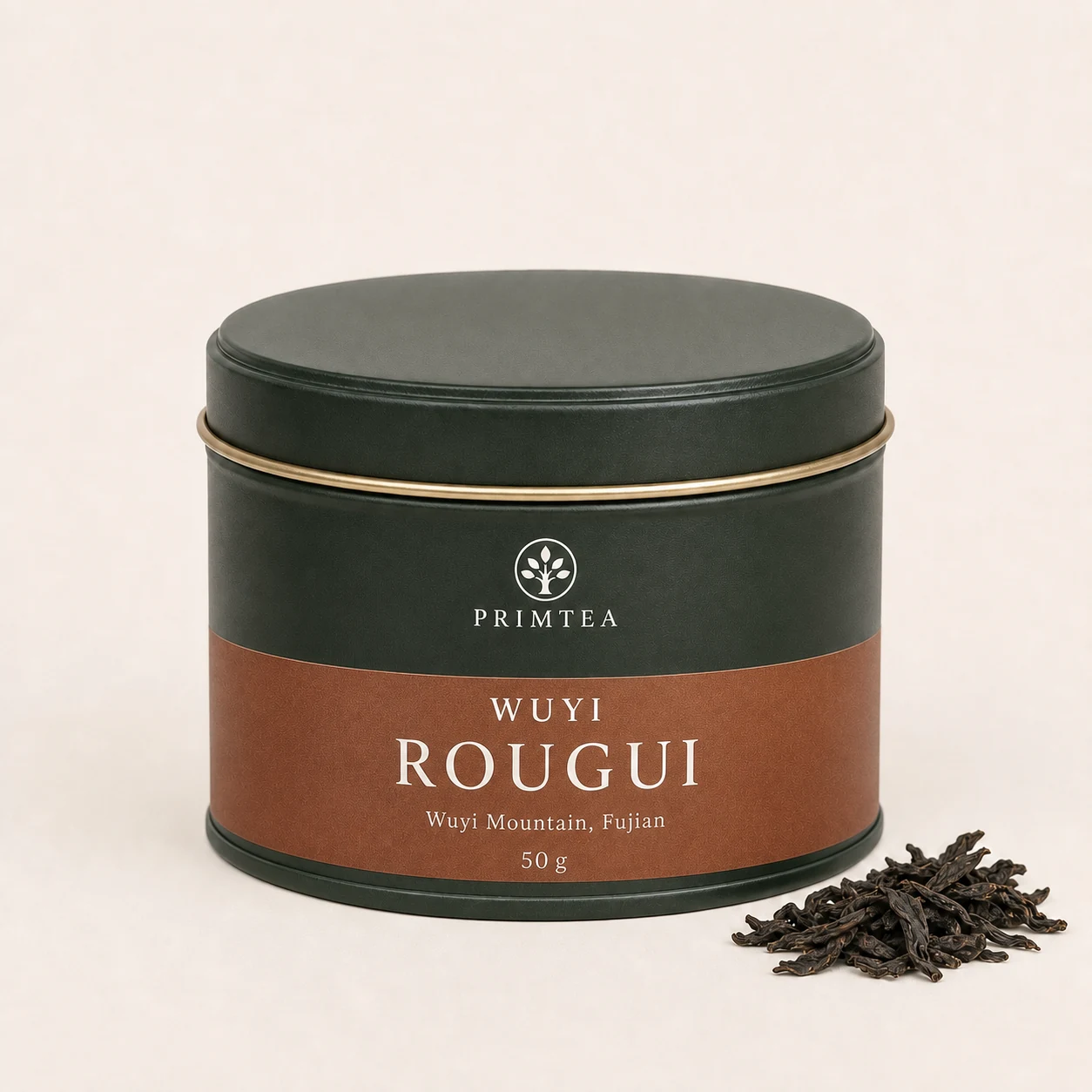
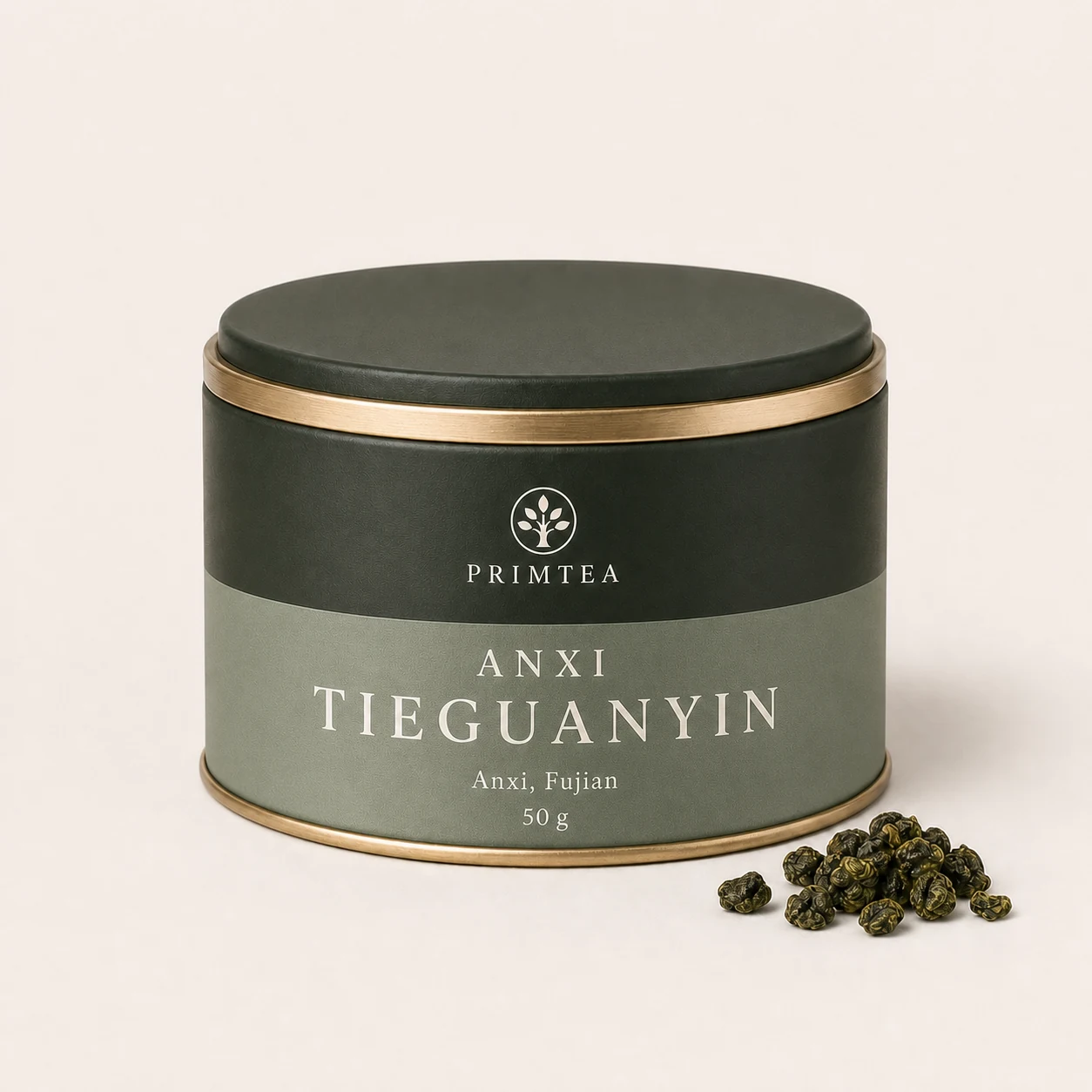
Cultivar, leaf maturity, bruising, oxidation and roast can all be adjusted. This creates tightly rolled floral teas, strip-shaped rock teas, honeyed bug-bitten styles and many others.
Major regional systems
Wuyi rock tea emphasizes cultivar, mountain environment and roast; Anxi is strongly associated with Tieguanyin; Phoenix Mountain is known for Dancong cultivar-aroma traditions; Taiwan developed high-mountain and distinctive oxidized styles.
Reading roast and oxidation
Roast and oxidation are separate dimensions. A tea may be more oxidized but lightly roasted, or greener in oxidation yet receive a stronger finishing roast.
Practical guidance
Oolong often rewards gongfu brewing: try 5-7g per 100ml, 90-100°C water and short complete decants. Use cooler water for very green, delicate styles.
Identification and caution
Do not reduce oolong quality to a single oxidation percentage. Percentages are often estimates and cannot replace tasting or process details.